-
 Call Us: (773) 774-7333
 -
 Address: 6055 N Northwest Hwy, Chicago, IL 60631, USA
-
 Open Hours: M-T: 8AM-5PM F: 8AM-4PM
Call Us: (773) 774-7333 Address: 6055 N Northwest Hwy, Chicago, IL 60631, USA Open Hours: M-T: 8AM-5PM F: 8AM-4PM 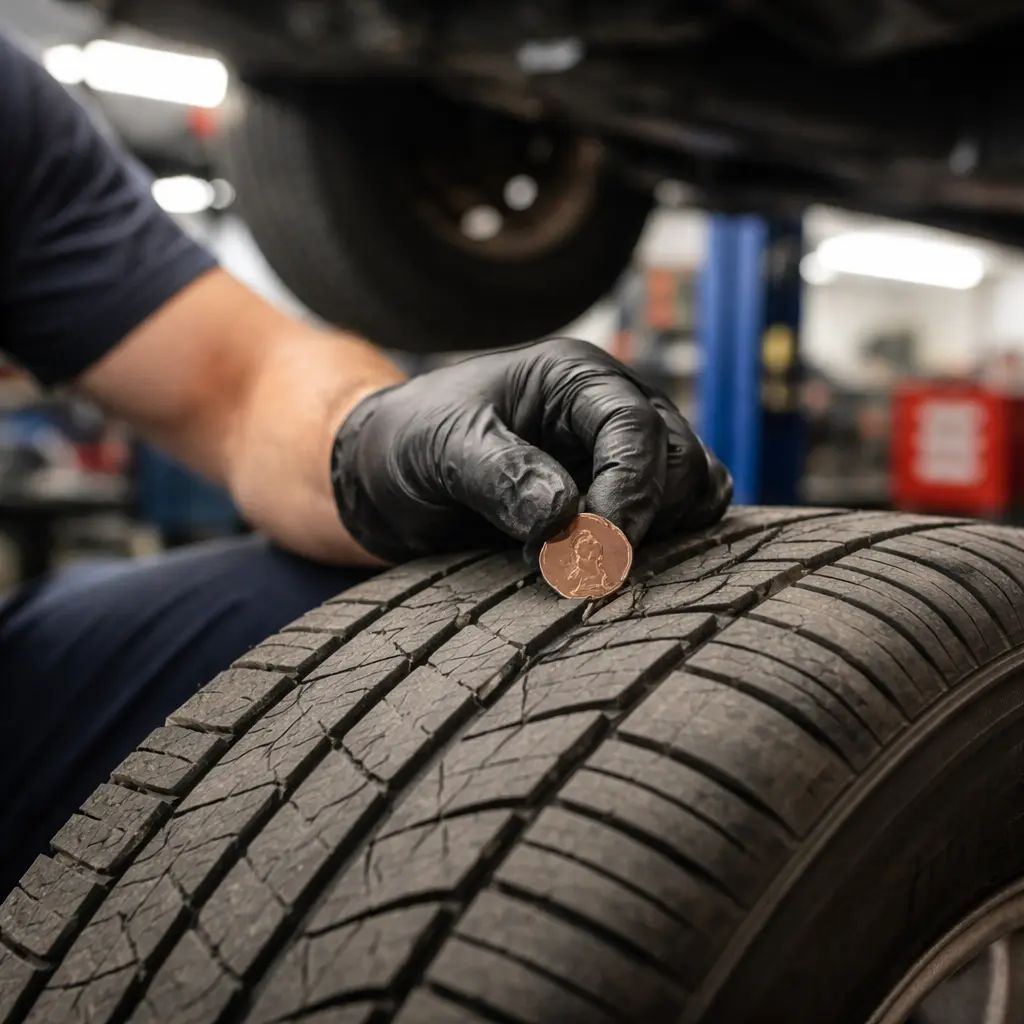
Drivers in Norwood Park know Chicago roads can be tough on vehicles. Between potholes, construction zones, and harsh winter conditions, tires often wear out faster than many drivers expect.
For more than five decades, Norwood Auto Service has helped drivers throughout Norwood Park and nearby communities keep their vehicles safe and reliable. Located on Northwest Highway, the shop has built a reputation for honest service, accurate diagnostics, and customer education. As an ASE-certified repair facility and NAPA AutoCare Center, the team provides professional tire inspections, alignments, and maintenance services designed to keep Chicago drivers safely on the road.
Because tires are the only part of your vehicle that makes direct contact with the road, their condition directly affects braking performance, traction, and overall safety. Understanding the warning signs of tire wear can help drivers address issues early and avoid more serious problems while driving.
One of the clearest signs that tires need replacement is worn tread. Tire tread is designed to channel water away from the contact patch so the tire can maintain traction on wet or slippery roads. As the tread wears down, this ability is reduced, which increases the likelihood of hydroplaning and reduces braking performance. For Chicago drivers who frequently encounter rain, slush, and snow, maintaining proper tread depth is essential for maintaining control of the vehicle.
Experienced technicians routinely measure tread depth during routine inspections. While some drivers rely on simple at-home checks such as the penny test, a professional inspection can reveal far more information. Uneven wear patterns, internal tire issues, and signs of structural damage often become visible only during a thorough evaluation performed by trained mechanics.
Drivers who schedule a professional tire inspection service often learn that their tires are wearing unevenly or losing performance before they become obviously unsafe. Addressing these issues early allows drivers to plan for replacement and avoid unexpected problems while driving. In busy urban areas like Chicago, where sudden stops and traffic congestion are common, worn tread can significantly increase stopping distance and reduce the ability of a vehicle to maintain traction during emergency braking situations.
Tires that wear unevenly often point to an underlying mechanical issue. Instead of wearing evenly across the tread surface, the tire may become more worn on one edge, the center, or in irregular patches. These patterns commonly indicate problems such as improper wheel alignment, worn suspension components, or incorrect tire pressure.
In many cases, alignment issues are caused by impacts with potholes or curbs. Chicago drivers encounter these road hazards frequently, and even a single hard impact can knock a vehicle out of alignment. When this happens, the tires no longer roll evenly along the road surface. Instead, they begin to drag or scrub against the pavement, which accelerates wear and shortens the lifespan of the tire.
Correcting alignment problems early is essential to protecting your investment in new tires. Many drivers visit Norwood Auto Service for wheel alignment services after noticing steering pull, uneven tire wear, or a crooked steering wheel. Proper alignment helps restore smooth handling, improve fuel efficiency, and ensure that tires wear evenly across their surface.
Even tires that still have adequate tread can become unsafe due to age or environmental exposure. Over time, the rubber compounds used in tires naturally begin to break down. Sunlight, heat, road chemicals, and fluctuating temperatures can gradually weaken the rubber structure of the tire.
This condition, commonly known as dry rot, weakens the structural integrity of the tire. Small cracks may appear along the sidewall or within the tread blocks. Although these cracks may seem minor at first, they can eventually lead to air loss or sudden tire failure.
Chicago winters can accelerate this deterioration because road salt and de-icing chemicals gradually degrade rubber compounds. Vehicles that spend significant time outdoors may experience faster aging due to temperature fluctuations between freezing winter days and hot summer pavement.
Routine inspections allow experienced technicians to detect these warning signs early. Replacing aging tires before they fail helps prevent dangerous driving situations and improves overall vehicle reliability.
Drivers sometimes notice vibrations in the steering wheel or the vehicle’s cabin while traveling at higher speeds. While vibration can occasionally be caused by a wheel balancing issue, it may also indicate damage within the tire itself. Internal belt separation, impact damage, or uneven wear can cause the tire to rotate irregularly, producing noticeable shaking while the vehicle is in motion.
Chicago potholes are one of the most common causes of this type of tire damage. When a vehicle strikes a deep pothole, the sudden impact can weaken the internal structure of the tire even if the damage is not immediately visible from the outside. Over time, the damaged area may begin to deform, leading to vibration and reduced stability.
Technicians who inspect vehicles experiencing vibration often check the tires, suspension components, and wheel balance to determine the root cause. Addressing these problems early helps drivers avoid more serious issues such as tire failure or loss of vehicle control.
Tire condition is not determined by tread depth alone. Even tires that appear to have usable tread may become unsafe simply due to age. Most tire manufacturers recommend replacing tires after six to ten years because the rubber gradually loses flexibility and strength over time.
Technicians determine tire age by reading the Department of Transportation code printed on the tire’s sidewall. The final four digits indicate the week and year the tire was manufactured. As tires age, the likelihood of sidewall cracking, air leaks, and blowouts increases.
Older tires are especially vulnerable when exposed to Chicago’s wide temperature swings. Rubber that has hardened with age is less able to absorb impacts from potholes or rough pavement. For this reason, many professional mechanics recommend replacing aging tires even if the tread still appears acceptable.
Frequent air loss is another warning sign that tires may need replacement. While minor leaks can sometimes be repaired, recurring pressure loss may indicate a deeper issue. Damage to the tire bead, internal structural problems, or deterioration of the rubber can prevent the tire from maintaining a proper seal.
Drivers who find themselves adding air frequently should schedule a professional inspection as soon as possible. Ignoring slow leaks can eventually lead to complete air loss or a dangerous blowout while driving.
During an inspection, technicians evaluate the tire, wheel, and valve stem to determine the source of the problem. In some cases a simple repair may resolve the issue, while in other situations replacing the tire is the safest option.
Chicago’s rough road conditions are one of the biggest contributors to premature tire wear. Potholes can knock a vehicle out of alignment, damage the internal structure of a tire, or cause uneven wear patterns that shorten the tire’s lifespan. Even a single hard impact can weaken the belts inside a tire. That is why many local mechanics recommend having tires inspected after hitting a large pothole or noticing a sudden vibration while driving.
Most technicians recommend having your tires inspected at least once or twice per year, or whenever you visit the shop for routine maintenance such as an oil change. During a professional inspection, mechanics evaluate tread depth, wear patterns, tire pressure, and sidewall condition. These inspections can also reveal related issues with suspension components or alignment that may be affecting tire wear.
Yes, poor alignment is one of the most common causes of premature tire replacement. When wheels are misaligned, the tires no longer roll evenly across the road surface. Instead, they drag slightly across the pavement, which can cause rapid wear on the edges or center of the tread. Correcting alignment problems early helps protect new tires and improves steering stability.
If you have noticed signs of tire wear, vibration, uneven tread patterns, or frequent pressure loss, it may be time to have your vehicle inspected by a professional technician. The experienced team at Norwood Auto Service provides thorough tire inspections, wheel alignment services, suspension diagnostics, and tire services designed to keep vehicles operating safely on Chicago roads.
Conveniently located in Norwood Park, the shop proudly serves drivers throughout Chicago and nearby communities including Edison Park, Jefferson Park, Park Ridge, Morton Grove, Skokie, and Niles. With ASE-certified technicians and the support of the NAPA AutoCare network, customers can feel confident they are receiving professional service backed by trusted industry standards.
If you would like to schedule a tire inspection or speak with a technician about your vehicle, call (773) 774-7333 today. You can also request an appointment online through the Norwood Auto Service contact page. Scheduling a professional inspection today can help protect your tires, improve your vehicle’s handling, and keep you safe on Chicago’s busy roads.

Erik Scheidt is the owner of Norwood Auto Service and represents the second generation of family leadership at the shop. He began working at Norwood Auto Service at age 16 and now brings more than 18 years of hands-on experience in every aspect of the automotive business, from customer service to shop management.
Today, Erik leads a team of ASE certified technicians dedicated to providing high quality repair and maintenance for both domestic and foreign vehicles. He has helped modernize the shop by introducing Digital Vehicle Inspections, giving customers photos, detailed explanations, and the information they need to make confident decisions about their vehicles.
Call Us: (773) 774-7333 Address:  Email: contactus@norwoodautoservice.com

 M - T: 8:00 AM - 5:00 PM F: 8:00 AM - 4:00 PM
 © 2026 All Rights Reserved by Norwood Auto Service. Privacy Policy