-
 Call Us: (773) 774-7333
 -
 Address: 6055 N Northwest Hwy, Chicago, IL 60631, USA
-
 Open Hours: M-T: 8AM-5PM F: 8AM-4PM
Call Us: (773) 774-7333 Address: 6055 N Northwest Hwy, Chicago, IL 60631, USA Open Hours: M-T: 8AM-5PM F: 8AM-4PM 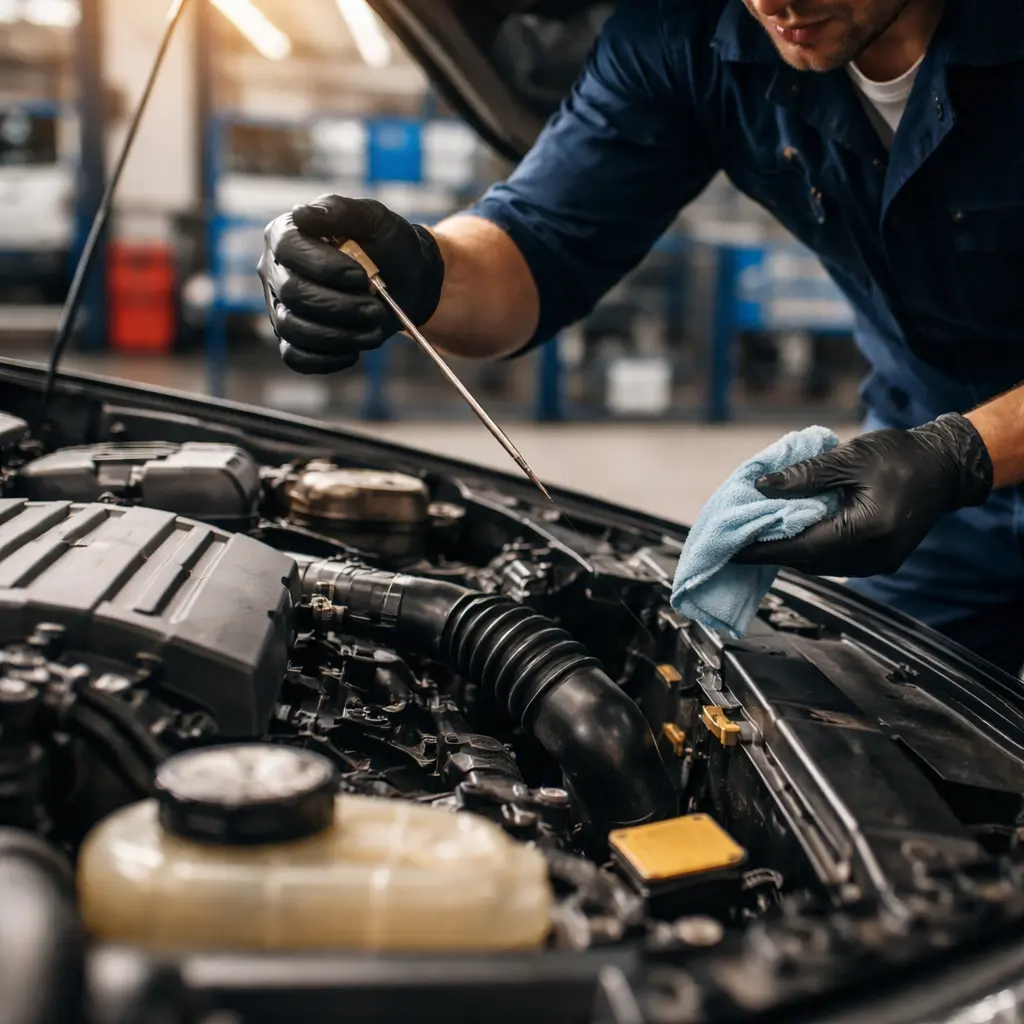
Many drivers come into the shop expecting a quick oil change and nothing more. It is one of the most routine services, and for good reason. Regular oil changes are essential to keeping your engine running smoothly. However, in a busy shop like Norwood Auto Service in Norwood Park, Chicago, it is very common for a basic oil change appointment to reveal underlying issues that drivers were not aware of.
With years of hands-on experience inspecting vehicles from across Chicago, there is a consistent pattern. What seems like a routine maintenance visit often uncovers early warning signs of wear that, if left unaddressed, can turn into much larger and more expensive problems.
An oil change is often the only time many drivers have their vehicle looked at by a professional. That makes it one of the most valuable opportunities to identify problems early, before they affect performance or safety.
Technicians are not just draining and replacing oil. They are looking at how the entire vehicle is functioning. This includes checking for early signs of wear, leaks, or components that are approaching the end of their service life.
Even small observations, such as slight fluid seepage or uneven wear patterns, can provide important clues. When caught early, these issues are usually simple to address. When ignored, they tend to spread into larger systems and become more expensive to repair.
An oil change is not just about replacing engine oil. A proper service includes a general inspection of key systems to ensure the vehicle is operating safely and efficiently. This is where experienced technicians often identify issues that drivers may not notice during everyday use.
During a typical visit, components such as filters, fluid levels, belts, hoses, tires, and brake systems are reviewed. At Norwood Auto Service, digital vehicle inspections are used to document findings and provide clear, visual explanations so customers understand exactly what is happening with their vehicle.
One of the most frequent findings is worn brake components. Drivers may not notice gradual changes in braking performance, but a technician can quickly identify thinning brake pads or uneven wear patterns that indicate future problems.
Fluid leaks are another common discovery. Small oil, coolant, or transmission fluid leaks often go unnoticed until they become severe. Catching these early can prevent overheating, transmission damage, or engine issues.
Tire wear is also regularly flagged during oil change visits. Uneven tread patterns may point to wheel alignment or suspension concerns, which, if ignored, can lead to premature tire replacement and reduced handling performance.
In some cases, worn suspension components such as shocks or struts are identified. These issues can affect ride quality, steering control, and overall vehicle safety, especially on rough roads throughout Chicago and surrounding neighborhoods.
One of the main reasons these issues go unnoticed is that they develop slowly. Drivers adjust to gradual changes in braking, steering, or ride quality without realizing that performance has declined.
In a city like Chicago, where driving conditions are demanding, this effect is even more pronounced. Stop-and-go traffic increases wear on braking systems, while potholes and uneven roads place additional stress on suspension components. Seasonal temperature changes also impact fluids, seals, and rubber components.
Because these changes happen over time, they rarely feel urgent. That is why routine service visits, such as oil changes, are critical. They provide a consistent checkpoint where trained technicians can identify patterns that drivers might otherwise miss.
From a mechanic’s perspective, timing is everything. Addressing an issue early almost always means a simpler and more affordable repair.
For example, replacing brake pads before they are fully worn protects the rotors and prevents additional labor costs. Fixing a small fluid leak early can prevent overheating or internal component damage. Correcting alignment issues early helps extend the life of your tires and improves overall handling.
Preventative maintenance not only reduces long-term costs but also improves safety and reliability. According to the National Highway Traffic Safety Administration, proper vehicle maintenance plays a key role in preventing breakdowns and accidents. Vehicles that are regularly inspected and maintained tend to perform better and experience fewer unexpected breakdowns.
Another important factor is planning. When issues are caught early, drivers have time to make informed decisions rather than being forced into urgent repairs. This creates a better overall ownership experience and reduces stress.
Not all oil change services are the same. A quality shop will take the time to look beyond the basic service and provide meaningful insight into the condition of your vehicle.
At Norwood Auto Service, this includes detailed inspections, clear communication, and honest recommendations. Customers are not pressured into unnecessary repairs. Instead, they are given the information needed to prioritize maintenance based on safety and budget.
Digital vehicle inspections also play an important role. By providing photos and detailed notes, customers can see exactly what the technician sees. This level of transparency builds trust and helps drivers feel confident in their decisions.
An oil change is essential, but it is only one part of maintaining your vehicle. A proper inspection during service helps identify other issues such as brake wear, fluid leaks, or tire problems that may not be immediately noticeable.
Most vehicles should have a more thorough inspection at least once a year. However, if you drive frequently in city conditions like Chicago, more frequent checks can help catch wear earlier.
Yes. Minor problems like worn brake pads or small leaks can quickly lead to more serious damage if ignored. Addressing these issues early is one of the most effective ways to reduce long-term repair costs.
Most of these issues develop gradually. Drivers adapt to small changes in how their vehicle feels, making it difficult to recognize when something is wrong. City driving conditions in Chicago, including stop-and-go traffic, potholes, and seasonal weather changes, accelerate wear on multiple vehicle systems.
Because of this, routine maintenance visits like oil changes become one of the best opportunities to catch problems early. A trained technician can identify subtle warning signs that are not obvious to the average driver.

Erik Scheidt is the owner of Norwood Auto Service and represents the second generation of family leadership at the shop. He began working at Norwood Auto Service at age 16 and now brings more than 18 years of hands-on experience in every aspect of the automotive business, from customer service to shop management.
Today, Erik leads a team of ASE certified technicians dedicated to providing high quality repair and maintenance for both domestic and foreign vehicles. He has helped modernize the shop by introducing Digital Vehicle Inspections, giving customers photos, detailed explanations, and the information they need to make confident decisions about their vehicles.
Call Us: (773) 774-7333 Address:  Email: contactus@norwoodautoservice.com

 M - T: 8:00 AM - 5:00 PM F: 8:00 AM - 4:00 PM
 © 2026 All Rights Reserved by Norwood Auto Service. Privacy Policy